





How AI-powered digital twins are transforming healthcare by creating a virtual version of you to monitor, predict, and improve your health
San Francisco, California, 9 March 2026 – Artificial intelligence is quietly reshaping the future of healthcare. One of the most fascinating innovations emerging from this transformation is the concept of a healthcare digital twin, a virtual, AI-powered version of a person that can simulate and monitor their health in real time.
A recent study published in the journal AI & Society explores how this technology could change not only medical care but also how people understand their own bodies, health risks, and lifestyle choices.
What exactly is a digital twin in healthcare?
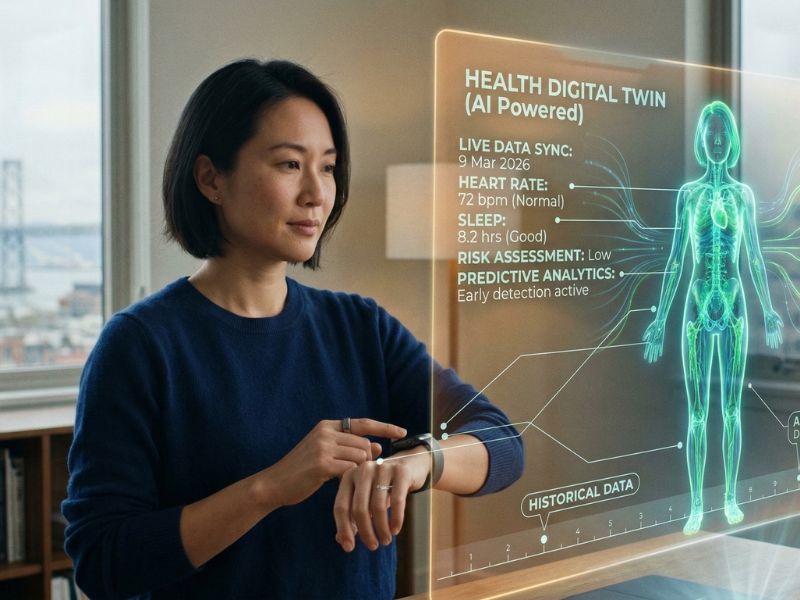
A digital twin is essentially a virtual model of a real person’s health. It uses artificial intelligence and machine learning to analyze continuous streams of data collected from various sources such as wearable fitness trackers, medical records, genetic information, and even environmental sensors.
Instead of doctors relying only on occasional checkups or hospital visits, digital twin technology allows healthcare systems to continuously monitor a person’s health. The AI system can analyze patterns, detect early signs of disease, and predict possible health risks long before symptoms appear.
For example, your smartwatch might track your heart rate, sleep patterns, and physical activity. Combined with medical records and other health data, an AI-driven digital twin could identify potential heart problems early and alert doctors or patients before the condition becomes serious.
The rise of data-driven health identities
One of the most interesting ideas highlighted in the research is the creation of two versions of the self. The first is the lived self how a person physically feels and experiences their health. The second is the data-driven self, which exists inside AI systems and is built entirely from data.
Traditional healthcare records capture only occasional snapshots of a patient’s health during doctor visits. Digital twins change this by creating a continuous digital representation of a person’s health status.
This means that a patient may sometimes feel healthy, while their AI model may indicate increased health risks based on patterns in their data. The difference between these two perspectives could influence how people make decisions about treatment, lifestyle changes, or preventive care.
This shift marks a major change in healthcare, moving from reactive treatment to proactive and predictive healthcare.
How AI turns health data into personal health stories
Digital twin platforms do more than simply collect data. They transform complex health information into easy-to-understand dashboards, predictive scores, and personalized insights.
These systems can show how daily habits such as sleep, diet, exercise, or stress levels might influence a person’s long-term health. By visualizing these patterns, AI healthcare tools can help individuals better understand the impact of their lifestyle choices.
In many ways, digital twin technology acts like a digital health guide. It can explain medical data, highlight potential risks, and suggest healthier habits. This approach could improve preventive healthcare, encourage healthier lifestyles, and help patients become more engaged in managing their well-being.
However, these systems can also shape how people think about their bodies and health decisions. When health data is constantly monitored and analyzed, individuals may feel encouraged to continuously measure and optimize their daily habits.
The growing role of continuous health monitoring
The rapid growth of wearable health technology, remote patient monitoring, and AI-powered healthcare platforms is making continuous health tracking more common.
Smartwatches, fitness trackers, and connected health devices already collect massive amounts of personal health data every day. Digital twins combine this information with advanced AI algorithms to create highly personalized health models.
This could revolutionize preventive medicine by identifying early warning signs of conditions such as heart disease, diabetes, or sleep disorders.
But constant monitoring may also create pressure for individuals to maintain certain health metrics or lifestyle targets recommended by AI systems. Over time, this could change how people think about personal responsibility and health management.
Privacy and data security concerns
Because digital twin systems rely on large amounts of personal health data, privacy and data protection are major concerns.
These systems often combine multiple sources of sensitive information, including medical history, genetic data, lifestyle habits, and environmental exposure. Managing and protecting this data requires strong cybersecurity measures and transparent governance policies.
Healthcare organizations must ensure that patient data is securely stored, responsibly used, and shared only with proper consent. Building trust in AI healthcare systems will be essential for their widespread adoption.
The future of AI-powered healthcare
Despite the challenges, digital twin technology has the potential to significantly transform modern healthcare.
By combining artificial intelligence, big data analytics, wearable health technology, and predictive healthcare models, digital twins could enable earlier diagnosis, more personalized treatment plans, and better preventive care.
Instead of waiting for illness to appear, healthcare systems may soon focus on predicting and preventing disease before it develops.
As AI continues to evolve, the idea of having a digital twin that monitors and protects our health may become a normal part of everyday healthcare.