





Somewhere along the way, healthcare stopped feeling human. Everything became numbers, metrics, algorithms, authorizations, and productivity reports. Meanwhile real people are sitting in hospital rooms terrified they are about to die. Caregivers are sleeping in chairs beside loved ones running on caffeine, fear, and prayer. Families are creating GoFundMe pages while insurance companies debate “medical necessity.”
People are rationing medication to survive another month. And millions are silently drowning under the emotional weight of trying to stay alive in a system that no longer feels designed for people. We keep calling it “healthcare,” but for many Americans, it feels more like survival. I know that feeling personally.
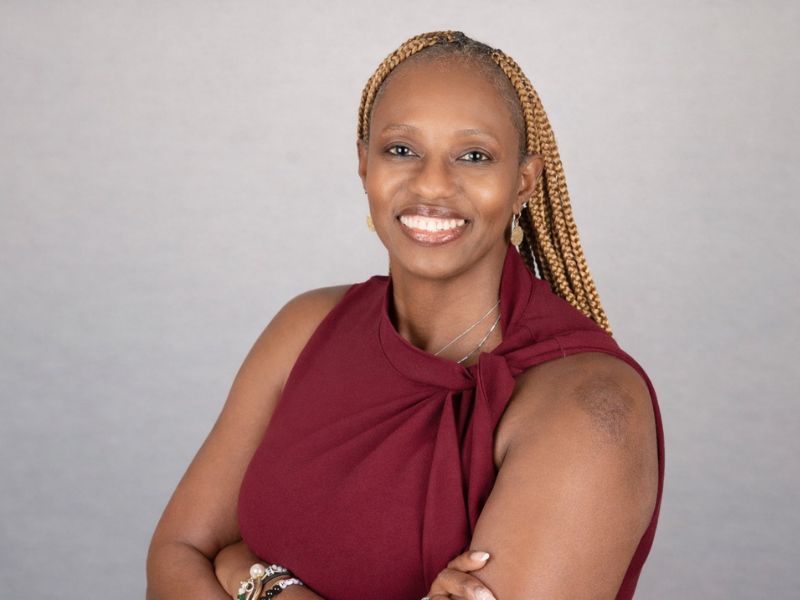
Ten years ago, I was over 300 pounds, taking 42 pills a day, fighting for my health while trapped inside an abusive relationship and carrying pain I did not even know how to name yet. I remember feeling exhausted before the day even started. Not just physically. Spiritually. Emotionally. Mentally. There is a different kind of fear that hits when your body starts failing you. You begin questioning everything. Your future. Your worth. Your purpose. Whether anybody truly sees your pain beyond a diagnosis code on a chart.And what changed my life was not just medicine.
It was people. It was seniors who spoke life into me when I barely had enough strength to believe in myself.
People who reminded me I still mattered. People who saw me beyond the struggle. That experience changed the way I look at healthcare forever.
Because healing is not just clinical. Healing is emotional. Healing is human. And somewhere along the way, the healthcare system forgot that. The truth is, most people are not just exhausted physically. They are exhausted emotionally. Tired of fighting for answers. Tired of repeating their story. Tired of feeling invisible. Tired of feeling like paperwork matters more than pain. Tired of systems that move faster than compassion. And what breaks my heart the most is this: The people suffering are often the people who worked their entire lives believing the system would protect them one day. Instead, many are met with confusion. Confusing bills. Confusing coverage. Confusing medical language. Confusing systems. A healthcare system so complicated that sick people are expected to become investigators just to receive care. That is not compassion. That is chaos dressed up in corporate language. I have sat across from seniors who apologized for asking too many questions because nobody ever took the time to explain things kindly.
I have spoken to caregivers who sounded so emotionally exhausted that I could hear the hopelessness in their silence. I have watched people smile in public while privately falling apart because they were too ashamed to admit they could not afford the care they needed. And the scariest part is how normal this has become. We have normalized people suffering quietly. We have normalized burnout. We have normalized emotional abandonment inside healthcare. We have normalized treating human beings like transactions. Healthcare leaders love talking about innovation. But innovation without humanity is just prettier machinery. No app will ever replace empathy. No automated system will ever replace human connection. No artificial intelligence will ever fully understand what it feels like to hear: “We’re not sure if your treatment is covered.” That moment changes people. Because sickness already makes people feel vulnerable. Now add financial fear, add uncertainty, add loneliness, add endless bureaucracy and add exhaustion. It crushes people quietly.
And healthcare professionals are hurting too. Nurses are burned out. Doctors are overwhelmed. Care coordinators are emotionally drained. Even the people trying to help are suffocating inside the machine. That should concern all of us. Because healthcare was never supposed to become this cold. It was supposed to heal. Not just bodies. People. And maybe that is the conversation we should finally be brave enough to have. Not just how to improve systems. But how to restore humanity inside them. Because if healthcare continues losing its humanity, eventually people will stop trusting the very system designed to save them. And once trust dies, fear takes its place. Fear makes people avoid doctors.
Fear makes people skip treatment. Fear makes people stay silent when they are hurting. Fear makes people feel alone even in crowded hospitals. That is the real healthcare crisis nobody talks about enough. Not just access. Not just cost. Disconnection. Because people may forget procedures, policies, and paperwork. But they never forget how healthcare made them feel during the hardest moments of their lives.