

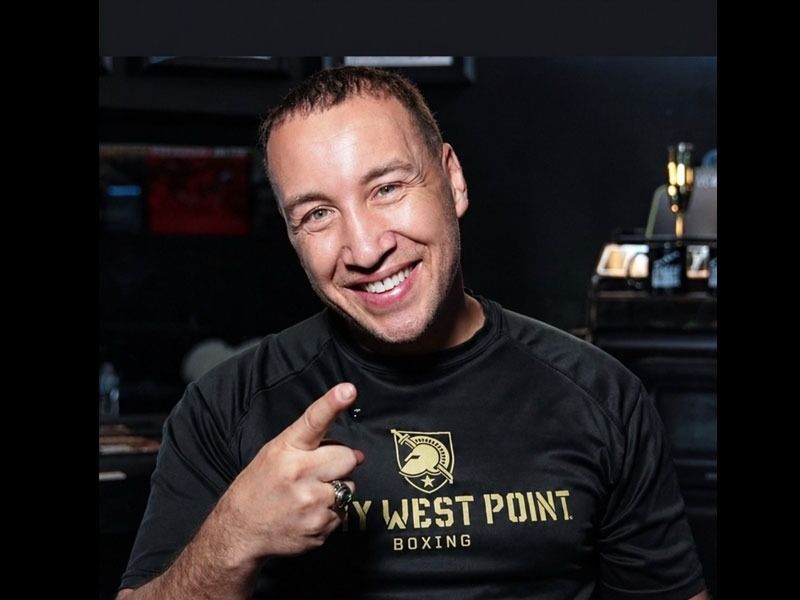
For 17 years, I have advocated for people living with spinal cord injuries. My experiences as a West Point graduate, Army Reserve lieutenant colonel, professional boxing champion, and doctoral candidate in organizational change and leadership have taught me that meaningful progress demands more than one excellent intervention. It demands systems that connect scientific discovery to the people who need it.
Healthcare facilities excel at treating crises and managing chronic conditions. Their next challenge is to detect threats sooner, make essential nutrition easier to access, restore lost function, and test promising therapies together—not just in isolation. Five shifts can move us in that direction.
1. Stop Defining Protein by Muscle Alone
Protein supports far more than muscle development. Cysteine, an amino acid supplied by whey protein isolate (WPI), helps the body synthesize glutathione, a cellular antioxidant involved in normal defense against oxidative damage and the processing of certain harmful compounds. Aging, diabetes, liver disease, cancer, and pregnancy complications can alter glutathione biology, although none automatically establishes dietary cysteine deficiency.
In a 2007 study, healthy adults consuming 45 grams of specially pressurized WPI daily for 14 days experienced an approximately 24% increase in blood-lymphocyte glutathione. A 2018 randomized trial involving 42 chemotherapy patients found an 11.7% increase in glutathione among recipients of WPI combined with zinc and selenium. These findings warrant further study; they do not prove that every whey formulation treats disease or removes toxins.
Access matters as much as biochemistry. A review of 18 studies involving 1,267 oncology patients found adherence to oral nutritional supplements ranged from 6% to 96.9%, with unpleasant tastes and gastrointestinal intolerance recurring barriers. A 2026 trial involving 36 pediatric oncology patients found cocoa was preferred over seven commercial nutritional supplements.
Each 12-ounce MYND can supplies 20 grams of whey protein isolate. Its lightly carbonated, lactose-free beverages come in lemon-ginger, orange-mango, and pomegranate, sweetened with real fruit and stevia. MYND has also incorporated its proprietary WPI blend into applesauce, apple puree, and peanut butter—familiar alternatives for people who dislike shakes. The company describes its drinks as kosher, non-GMO, and gluten-free. These formats may help appropriate oncology patients and military personnel access convenient protein, though clinical tolerance and efficacy require study. About 36% of Americans have lactose malabsorption; lactose-free whey may help some, but remains unsuitable for people with milk-protein allergies.
2. Measure Biology Before Disease Becomes a Crisis
Conventional testing provides snapshots of disease. Interstitial fluid (ISF), which surrounds cells, could offer additional molecular information between those snapshots. Studies of tumor-local ISF have estimated that some biomarkers may be 1,000–1,500 times more concentrated near a lesion than in blood. That finding must not be generalized to every biomarker or to routinely sampled peripheral ISF.
KIFFIK Biomedical is developing K-EXP, an investigational, noninvasive platform for repeat ISF collection. Its proposed cloud-connected workflow could transmit biomarker readings directly to healthcare providers as soon as results become available; instant clinical reporting has not yet been independently validated. One potential application involves soluble B-cell maturation antigen (BCMA), a biomarker associated with multiple myeloma activity. Before annual ISF screening could be justified, researchers must establish reliable measurement, clinically meaningful thresholds, patient benefit, and secure reporting.
The stakes are high. In the 2026 CAR-PRISM Phase 2 trial, all 20 participants with high-risk smoldering multiple myeloma achieved minimal residual disease negativity after receiving the BCMA-directed CAR-T therapy CARVYKTI. No progression was reported at a median 15.3 months of follow-up. Remarkable—but not proof of permanent prevention. CARVYKTI also carries substantial risks and is not approved for smoldering myeloma. Future research could investigate whether validated ISF measurements help identify appropriate intervention windows.
3. Treat Spinal Cord Injury as a National Restoration Priority
Approximately 311,560 Americans live with traumatic spinal cord injury—roughly 0.09% of the population—and about 18,500 more are injured annually. A National Academies review estimated a $9.73 billion annual societal burden in 1996 dollars; it is not a current spending estimate. A published economic model assigned 52% of estimated lifetime direct medical costs to Medicare and Medicaid. Yet NIH reported only $82 million for spinal cord injury research in fiscal 2025.
The Department of Health and Human Services should consider a more deliberate, cure-directed research strategy, alongside prevention and lifelong care. Spinal cord injury can follow a vehicle collision, a fall, or an ordinary moment gone wrong. No one is categorically immune.
4. Translate Neurological Gains Into Everyday Independence
In the pivotal Up-LIFT study, 43 of 60 participants (72%) receiving ONWARD Medical’s ARC-EX stimulation alongside rehabilitation achieved meaningful improvement in both an upper-limb strength measure and a functional performance measure; 90% improved in at least one domain. The FDA authorized ARC-EX for clinical use in December 2024, followed by expanded clearance for home use in November 2025 for eligible adults with chronic incomplete cervical spinal cord injuries.
For someone with tetraplegia, stronger grasp and better hand control may mean holding a utensil, managing a phone, or reducing assistance with dressing. These gains matter even without a cure.
NervGen’s investigational NVG-291 adds a different possibility. Its small, randomized Phase 1b/2a study reported a 3.7-point improvement in a hand-prehension assessment at 12 weeks versus 0.4 with placebo, along with improved neural signaling on one prespecified endpoint. The first participant entered its Phase 3 RESTORE trial in October 2026; that study must determine whether benefits can be confirmed in a larger population.
5. Study Companion Therapies, Not Just Stand-Alone Products
Samuel Stupp’s peptide-based 'dancing molecules' scaffold stimulated corticospinal axon regrowth and locomotor recovery in injured mice, not yet in humans. In 2026, the Christopher & Dana Reeve Foundation and Spinal Research awarded $250,000 to study a related material combined with physical rehabilitation.
Imagine future trials comparing rehabilitation alone, ARC-EX with rehabilitation, a regenerative peptide with rehabilitation, and both interventions together—after appropriate human safety testing. Such designs can test whether complementary mechanisms create additional benefits while still identifying each treatment’s independent effect.
Investors want attribution. Regulators need it. Patients need the greatest safe, measurable recovery. Healthcare facilities can support all three by building multidisciplinary rehabilitation programs, accessible nutritional services, biomarker infrastructure, and clinical-trial partnerships.
The future of healthcare should be judged not only by how long we manage disease, but by how often we prevent progression, restore independence, and return meaningful choices to people’s lives.
About the Author
Boyd Melson is a U.S. Army Reserve Lieutenant Colonel, West Point graduate, former Team USA boxer and professional boxing champion, international keynote speaker, and national spinal cord injury advocate for 17 years. Featured on HBO’s Real Sports with Bryant Gumbel, he received the President’s Lifetime Achievement Award in 2025 and was named Role Model of the Year at the 2024 U.S. Forces in Business Awards. He holds an MBA from Touro University International and a Master of Liberal Arts in Psychology from Harvard University Extension School, where he also earned graduate certificates in Topics in Human Behavior and Diversity, Equity, Inclusion, and Belonging Leadership. He is a doctoral candidate in Organizational Change and Leadership at the University of Southern California. Melson authored Learn Their BCBs: Stop Falling. Start Observing. His Harvard thesis, available through Harvard’s library, examined the relationship between self-control developed through boxing sparring and happiness. His work connects behavioral science, organizational leadership, healthcare innovation, and neurological recovery advocacy.