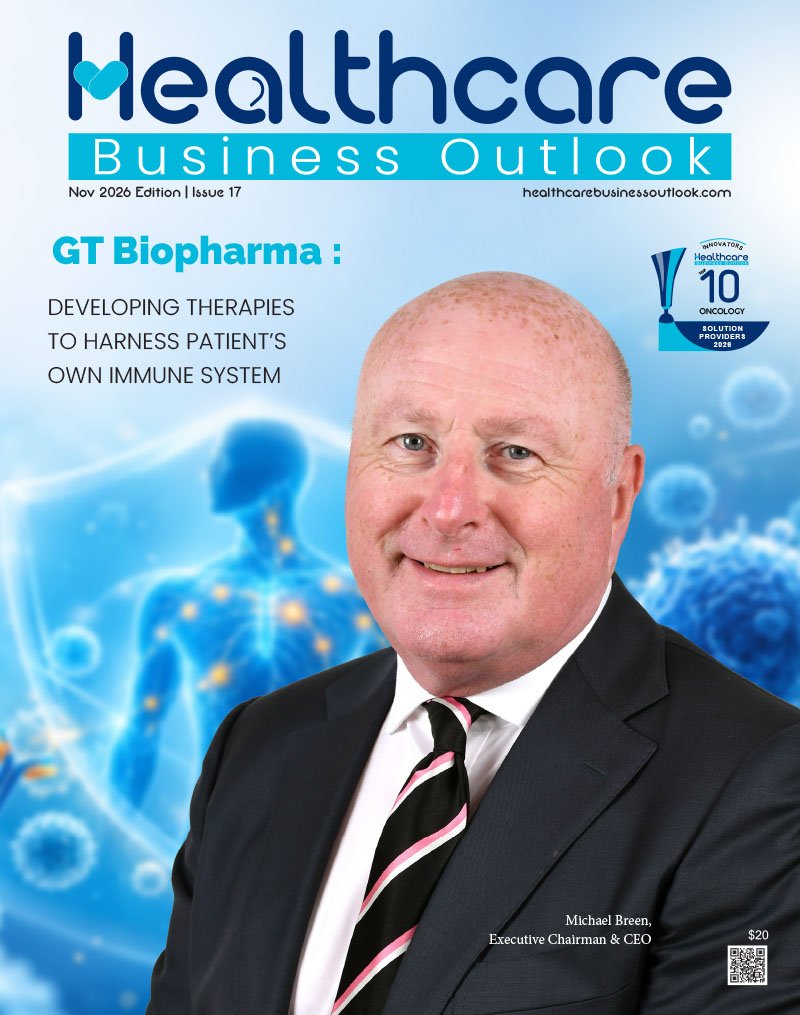
Cancer treatment has come a long way, yet many of its most established therapies remain difficult for patients to endure. Chemotherapy, radiation and surgery can be lifesaving, but they can also place considerable strain on the body. GT Biopharma is pursuing a different path. The clinical-stage oncology research company is developing more humane therapies designed to harness the patient’s own immune system, with its proprietary TriKE® platform forming the foundation of its research and development strategy.
The premise behind the technology begins with natural killer (NK) cells, a component of the body's immune system capable of recognizing and destroying abnormal cells. GT Biopharma’s NK-engager technology is designed to activate these cells, stimulate their proliferation and provide persistence, allowing them to maintain their attack against cancer cells. Rather than removing immune cells from a patient, modifying them outside the body and returning them, the company's approach seeks to engage the NK cells already present within the body. That distinction is important to GT Biopharma's proposition. Its TriKE molecule contains three functional components. Two remain broadly consistent, while the third can be changed depending on the cancer being targeted. The modular structure gives the platform the potential to address different diseases without having to rebuild the entire underlying technology for every indication. A meaningful signal in one area could therefore provide a scientific basis for investigating additional cancers.
The science behind the platform has been developed in close association with researchers at the University of Minnesota, including Dr. Jeffrey Miller and his team. GT Biopharma supports the laboratory through a sponsored research agreement, enabling continued work on improving the technology. Dr Miller's extensive decades long experience in NK-cell research provides the company with a strong scientific foundation as it advances its candidates. Moreover, the platform's development has already involved an important strategic decision. GT Biopharma conducted a first-in-human Phase 1 trial with its first-generation molecule for blood cancer in 2021. The study generated encouraging results, including more than a 63 percent reduction in bone marrow blast counts at higher dose-escalation levels. The company could have proceeded toward Phase 2, but new research presented a more compelling option: improve the molecule before committing millions of dollars to its next stage.
Researchers believed that incorporating nanobody and Camelid technologies could significantly increase potency. GT Biopharma therefore shelved the first-generation candidate and redirected its resources toward the second generation. Nanobody technology uses much smaller molecular fragments, potentially allowing stronger and more effective binding to cancer cells. Camelid technology draws on characteristics found in llamas, alpacas and camels, animals known for highly robust immune systems. According to the company, the resulting molecule could be approximately 10 to 40 times more potent than the first-generation candidate in preclinical comparisons. The decision reflects a development philosophy centered on improving the science rather than simply moving a program forward for the sake of reaching the next milestone. The second-generation platform is now being advanced through clinical development, including a Phase 1 program for blood cancer.
In addition, GT Biopharma is simultaneously testing whether the same underlying technology can be applied to solid tumors. GTB-5550 is being investigated in a Phase 1 basket trial covering several difficult cancers, including breast, ovarian, prostate, bladder, head and neck, lung and pancreatic cancers. The program gives the company an opportunity to determine whether its immune-engaging strategy can be directed toward multiple tumor types. Current company disclosures indicate that the solid-tumor program is advancing in 2026 with multiple patients dosed.
The potential reach of the platform is not limited to oncology. GT Biopharma has additional candidates aimed at autoimmune disease, based on the broader concept of strengthening or redirecting the body's natural immune response. These applications remain under development, but the company's preclinical observations have encouraged further investigation.
The company is also bringing artificial intelligence into its research activities. GT Biopharma is using AI-based tools in the discovery and engineering of tumor-targeting engagers and multi-domain proteins, with the objective of reducing trial-and-error experimentation, accelerating discovery and potentially lowering development costs. Additional candidates are expected to move toward pre-IND development as the company expands its discovery work.
For Executive Chairman and CEO Michael Breen, the commercial objectives ultimately serve a much larger purpose. His own investment in GT Biopharma followed extensive due diligence, but his continuing commitment comes from his belief in what the technology could mean for patients. “I feel deeply passionate” about the work, he says, describing the search for better cancer therapies as something important for humankind. That conviction is reflected in the company's willingness to make difficult decisions, from replacing a clinically tested molecule with a more promising second generation to maintaining a lean structure while continuing to fund research. “It doesn't make any sense to spend millions of dollars when we know that we have a much better, more potent candidate,” Breen says of the decision to move away from the first-generation program.
The ultimate objective, however, goes beyond individual molecules, clinical milestones or financial returns. “The single most important thing is that we and some other companies like us find a more humane cure for cancer and other diseases,” Breen says.
For GT Biopharma, the years ahead will be defined by evidence. The company must demonstrate that encouraging laboratory results can translate into safe and meaningful outcomes for patients. Its strategy is already clear, strengthen the TriKE platform, advance clinical programs across blood cancers and solid tumors, explore applications beyond oncology, use emerging technologies to improve discovery, and maintain the financial discipline needed to keep the research moving. GT Biopharma is also exploring what might happen when the body's own defenses are given the tools to fight more effectively. If clinical development validates the science, the company's work could offer patients more than another treatment option—it could help shift the conversation toward a more targeted and fundamentally different way of confronting disease.