Mid-procedure, a clinician reaches for a product that isn’t there. Someone must leave the patient, search another location, check inventory, or wait for a delivery, disrupting the procedure. While this may seem like a small issue, it can point to larger gaps in purchasing, inventory visibility, logistics, contracting, or data management.
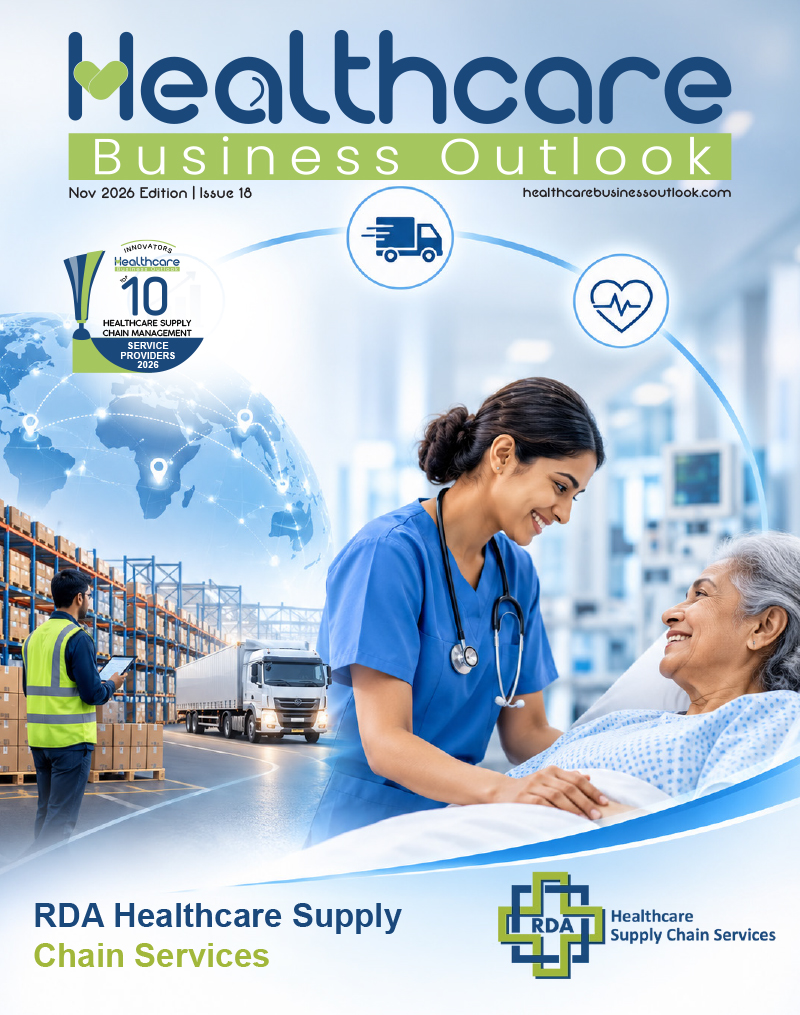
RDA Healthcare Supply Chain Services helps health systems and healthcare organizations address these challenges by improving the supply chain operations that support patient care. Founded in 2014 and headquartered in Oak Ridge, Tennessee, RDA offers services that include expense reduction, process improvement, AI camera vision for supply visibility, inventory optimization, interim supply chain leadership, and certification for professionals new to healthcare supply chain. Its approach combines practical solutions with technology, training, and change management to help organizations improve their operations.
CEO Angie A. Haggard believes every engagement should leave clients better prepared for the future. “Every client has distinct needs. We provide the best people and the best solutions that align with those needs, so when we finish, we leave the supply chain better than we found it,” Angie explains.
Savings That Show Up on the P&L
For health system leaders facing rising costs, knowing where to start can be difficult. RDA offers guided self-service and full-service support, helping organizations identify and implement savings opportunities, particularly in non-labor spending. Its services cover supply chain assessments, strategy development, and implementation across value analysis, strategic sourcing, contract management, procurement, inventory, and logistics.
For RDA, identifying savings is only the first step. “Our definition of implementation is an expense reduction that is seen on the P&L, not just an idea or a potential opportunity,” Angie says. This focus on measurable results ensures that recommendations translate into actual financial improvements rather than remaining unrealized opportunities.
Giving Time Back to Clinicians
When products are hard to find, clinicians lose time searching or working around inefficient steps—time that belongs to patients. RDA optimizes workflows in high-cost, high-acuity areas such as Operating Rooms, Cath Labs, and Interventional Radiology, removing waste and streamlining how supplies reach the point of care. In some engagements, RDA has reduced process and inventory waste by 40–60%. “Our measurement is to the financials, not just an idea,” Angie says. RDA measures success by savings delivered, processes implemented, and sustainable change management.
AI That Works Inside the Workflow
Visibility in the supply chain is critical. Many health systems are using manual processes and/or have limited visibility of what is on the shelf. RDA wanted to solve for that issue with a low-cost solution that minimizes “surprises” to supply chain leaders. In August 2026, RDA launched RDAOptics™, an AI-enabled camera vision solution, with multiple modules. The PAR replenishment module, which triggers restock orders based on established business rules. The result: greater visibility into inventory needs, less reliance on manual checks, less waste, and higher clinician satisfaction. The solution is especially valuable for hospitals of every size—particularly rural facilities—as well as clinics and remote sites where staff is stretched thin. Predictive modeling supplements RDAOptics™, determining what belongs on each shelf, how much should be stocked, and how much physical space products require, so organizations can right-size inventory. Rather than adding a separate process, RDAOptics™ lets clinicians get what they need without changing how they work. “We wanted a solution that would incorporate into the existing workflow,” Angie says. The aim is supplemental technology that minimizes stockouts and acts, or alerts staff, only when needed.
Experienced People, Stronger Teams
For health system leaders facing rising costs, knowing where to start can be challenging. RDA offers guided self-service and full-service support, helping organizations identify savings opportunities and implement them, particularly in non-labor spending. Its services cover supply chain assessments, strategy development, and implementation across value analysis, strategic sourcing, contract management, procurement, inventory management, and logistics operations.
For RDA, identifying potential savings is only the first step. The real value comes from ensuring those opportunities translate into measurable financial results. “Our definition of implementation is an expense reduction that is seen on the P&L, not just an idea or a potential opportunity,” Angie says. This approach keeps the focus on actual results rather than recommendations alone. By helping organizations implement changes and establish processes to sustain savings, RDA supports health system leaders in managing expenses while strengthening supply chain operations.
Proof Under Pressure
That experience proves its value when the stakes are highest. When a multi-facility health system (IDN) wanted to improve its supply chain and establish a proactive governance process for spend decisions, RDA deployed an experienced team to enhance the IDN’s Value Analysis, Sourcing, and Contract Management structure and processes. Simultaneously, RDA deployed experienced resources to foster change management and expedite results. Within 12 months, non-labor expenses were reduced by 3%+.
Independent by Design
Independence is another defining strength. RDA is GPO-agnostic, so its recommendations are not tied to any single purchasing relationship or spend category. RDA looks at the entire spend and solutions that benefit its clients, not a specific GPO, manufacturer, or supplier. Its client relationships speak for themselves: The majority of RDA’s business has come through referrals. The company also looks beyond healthcare for ideas, adapting proven supply chain practices from other industries to benefit RDA clients. “We want to be in tune with leading supply chain practices…within and outside of healthcare,” Angie says…” it is our responsibility to bring the latest and greatest solutions to our clients and implement those solutions in a customized, sustainable approach for long-term results. "
What Comes Next
Looking ahead, RDA plans to expand its use of AI-enabled camera vision and optimization with the practical operational expertise of experienced supply chain resources. For RDA, technology earns its place when it delivers information people can act on and solves a real operational problem… without changing the clinical workflow. The goal remains constant: reduce expenses and waste, strengthen supply chain performance, build capable teams, and give clinicians more time with patients.
The supply chain may operate away from the bedside, but its decisions shape what happens there. By improving the systems behind care, RDA gives health systems the support they need to keep care moving.